
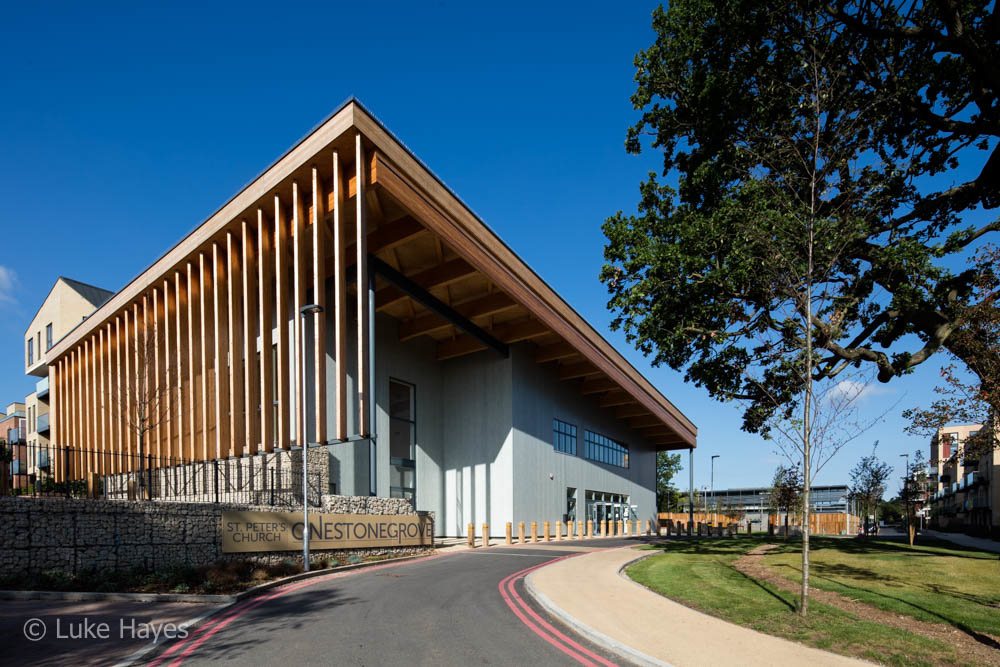
OneStonegrove opened in 2016 at the heart of the rebuilt Stonegrove estate in Edgware. It’s run by Stonegrove Community Trust, the charity local residents set up in 2014, and we share the building with St Peter’s Church.
This is our story, in four chapters: Before, Building, Belonging and Future. They first appeared in Under One Roof: The Story of OneStonegrove, the exhibition we made with St Peter’s Church for the London Festival of Architecture 2026, as part of our 10th birthday.
Jump to: Before · Building · Belonging · Timeline · Future
Chapter 1: Before
The Stonegrove that was
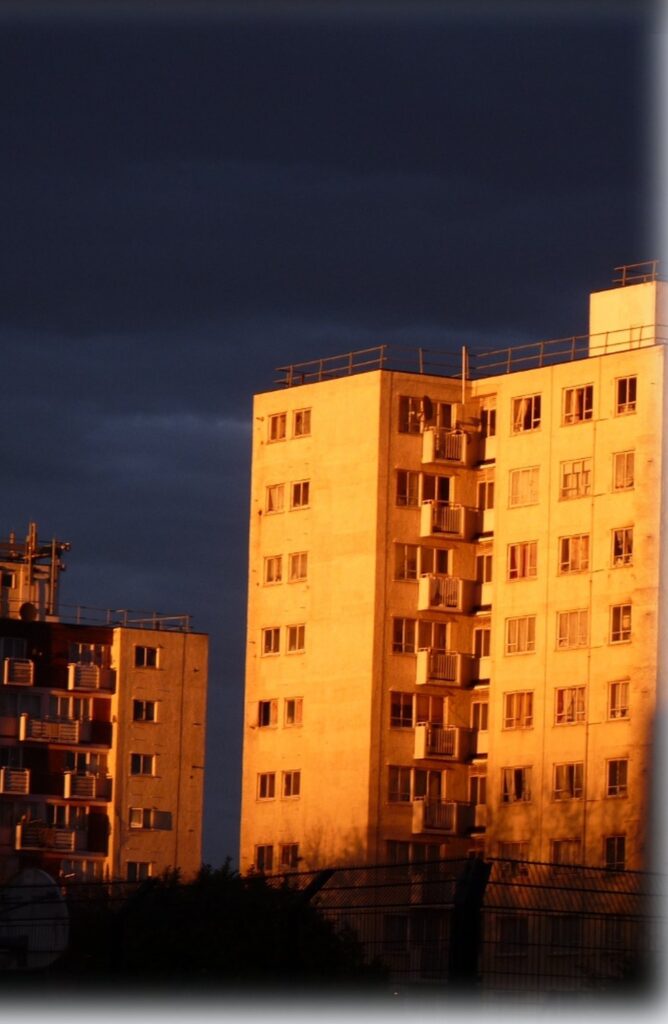
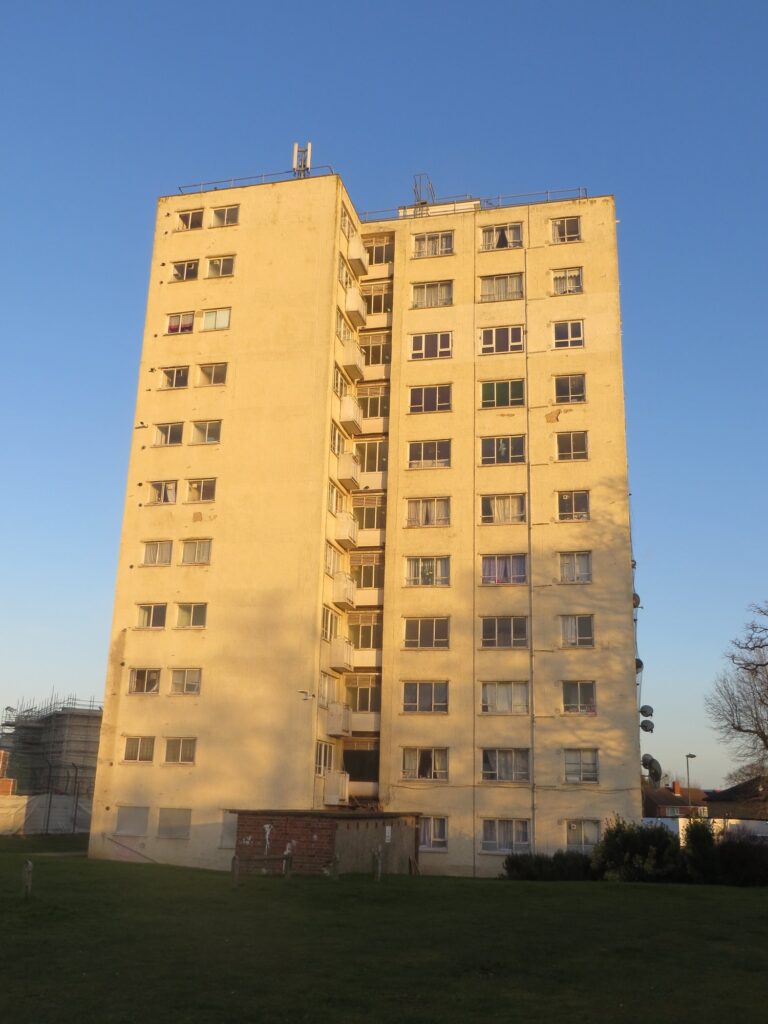
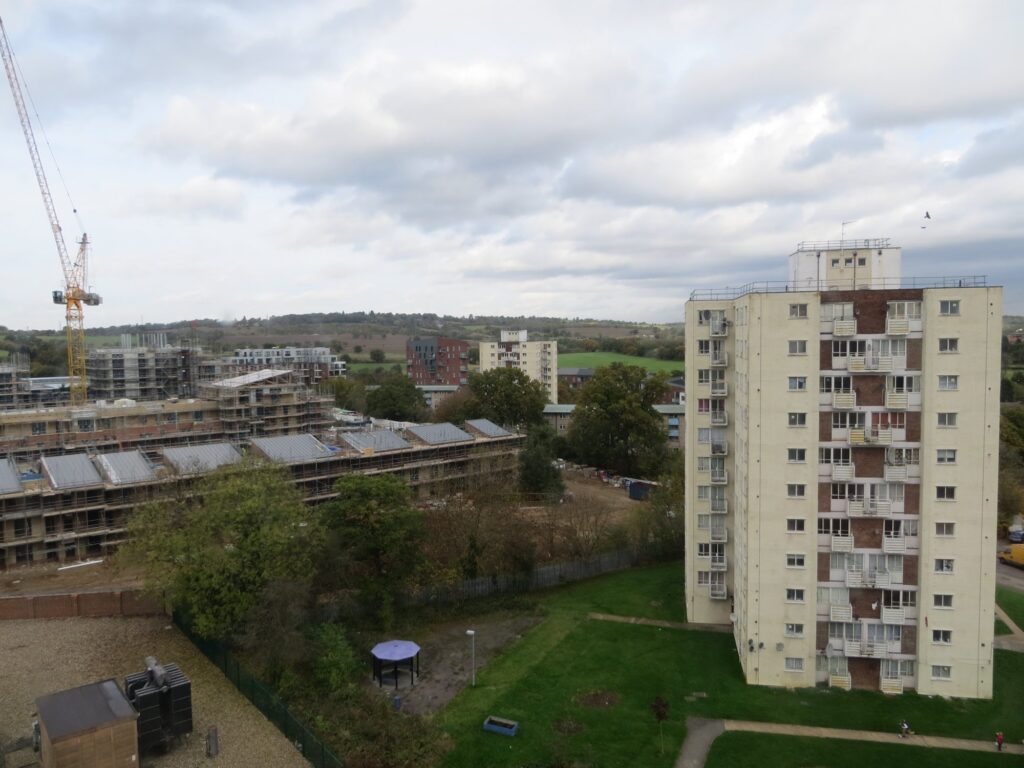
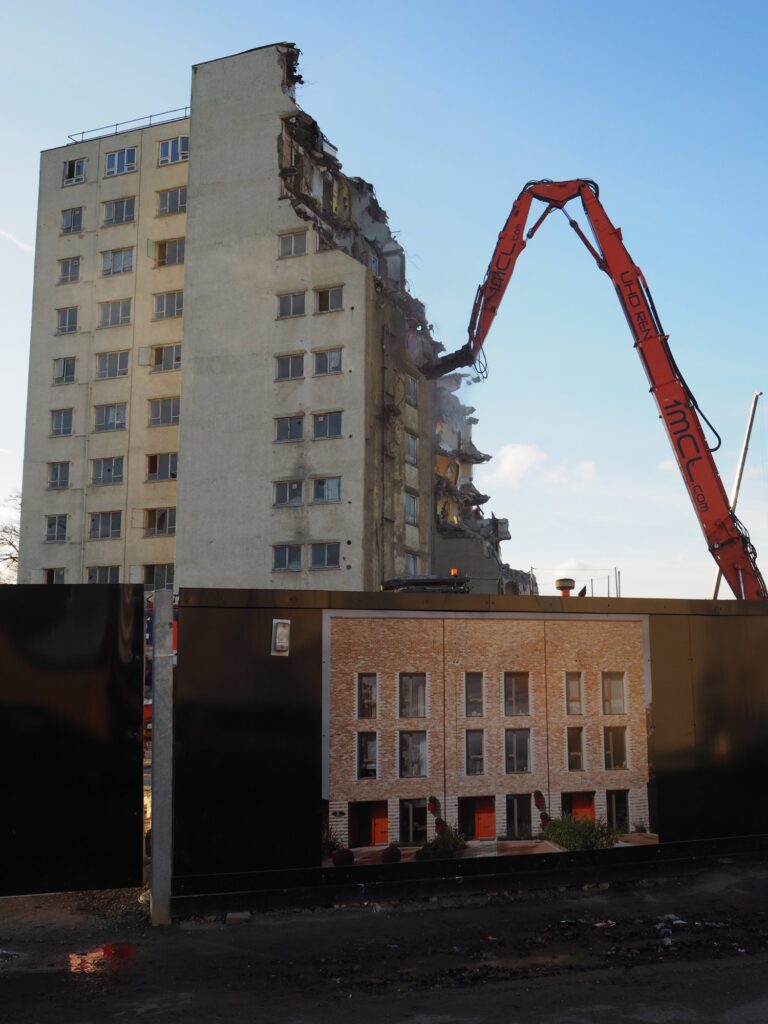
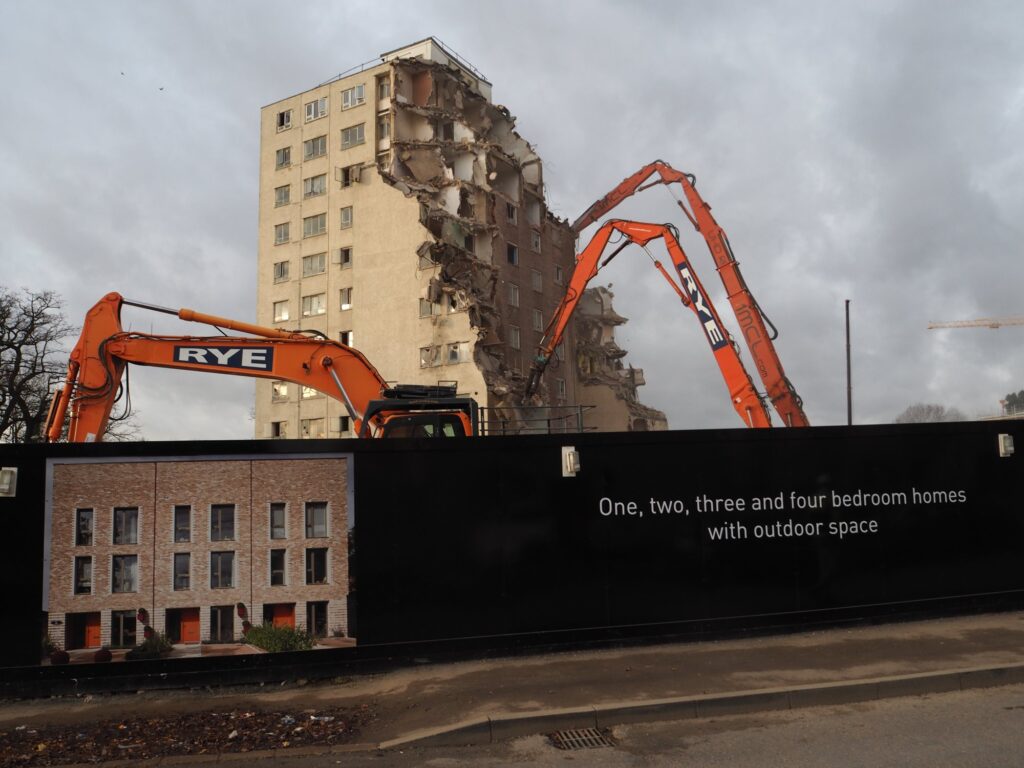
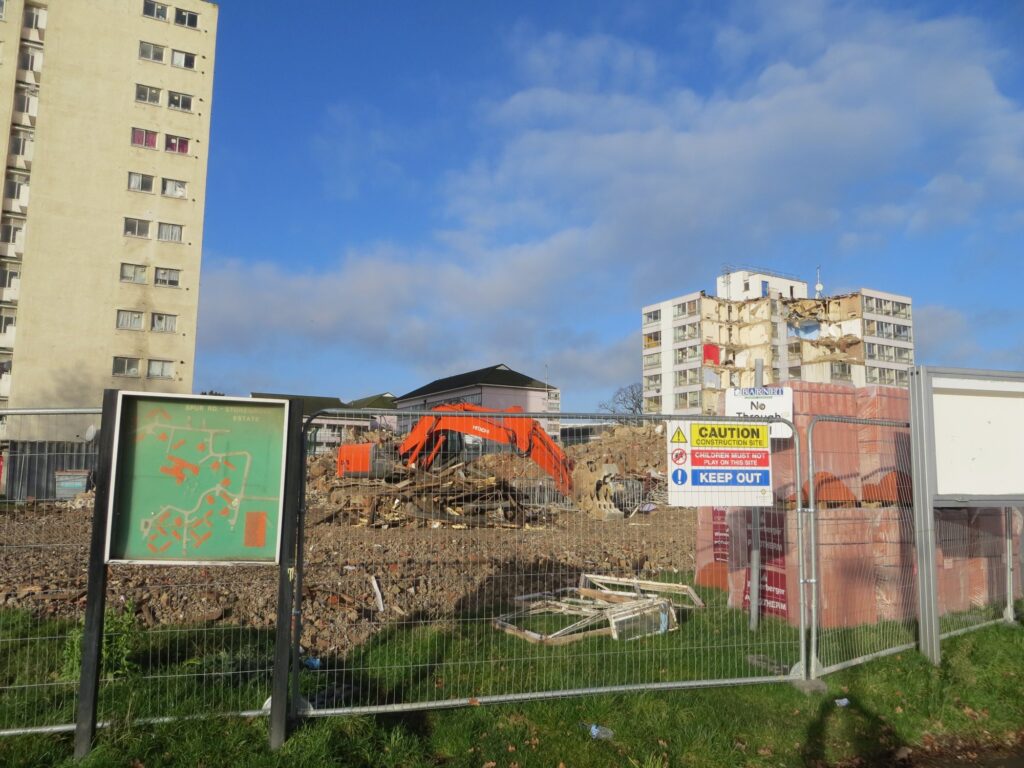
The Stonegrove estate grew up in the 1950s to 1980s. It came down between 2006 and 2016. In the end there were more than 600 homes in tower blocks, flats and maisonettes: almost 400 fewer than now.
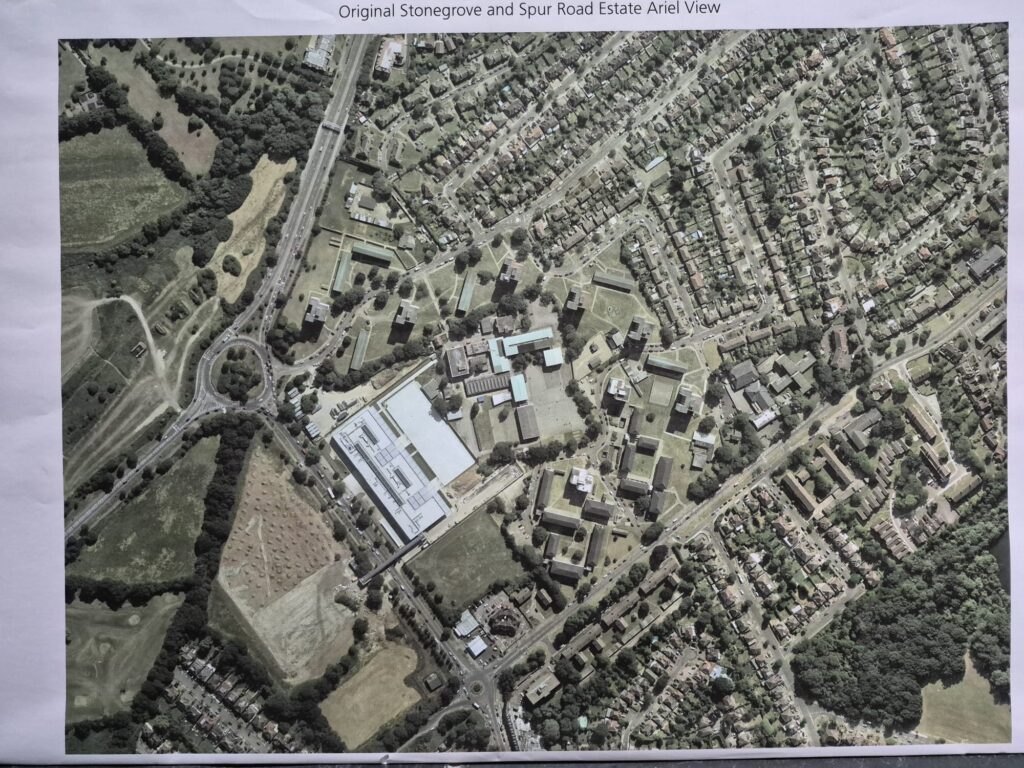
Older residents remember the official opening by the Queen Mother in 1958, and growing up together with a lovely community spirit and great people. The national press remembers the death of Kiyan Prince, who was tragically killed on the estate in 2006 trying to stop gangs fighting outside the school gates.
Like most postwar social housing, Stonegrove suffered from poor access, bad parking, high energy costs, run-down buildings and a bad reputation. The problems were thought too big to fix, so the council decided to regenerate the whole area. Consultations started in 1998, and people were living in the first new homes by 2010.
The estate comes down
The old blocks came down in stages over ten years. For a while, the old Stonegrove and the new one stood side by side.

St Peter’s and the shadow trust
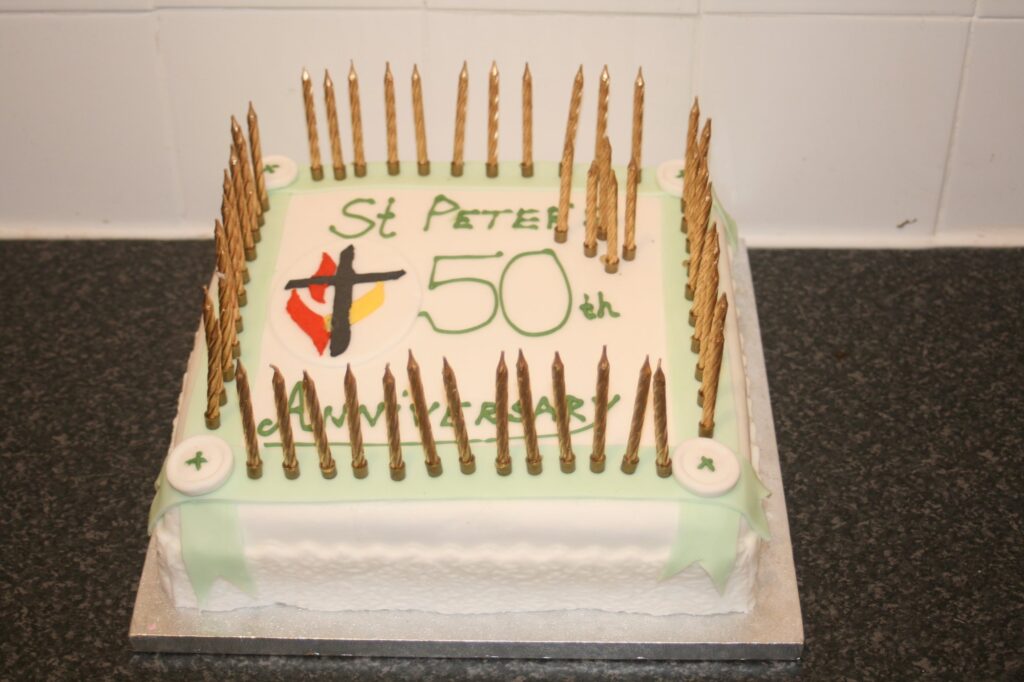
St Peter’s grew up with the estate too. It started in local homes in the 1950s and moved into a new church building in 1962. Even before OneStonegrove was built, members of the Stonegrove and Spur Road Community Group, the church and new residents were starting to form a “shadow trust”, and having fun together at events.
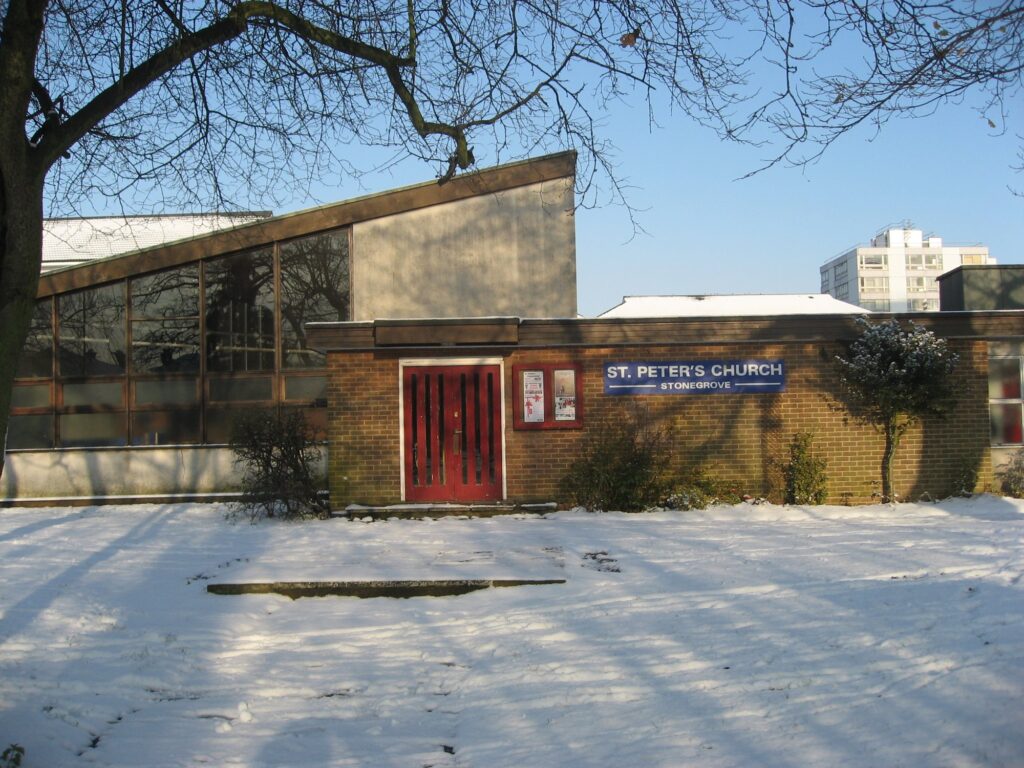
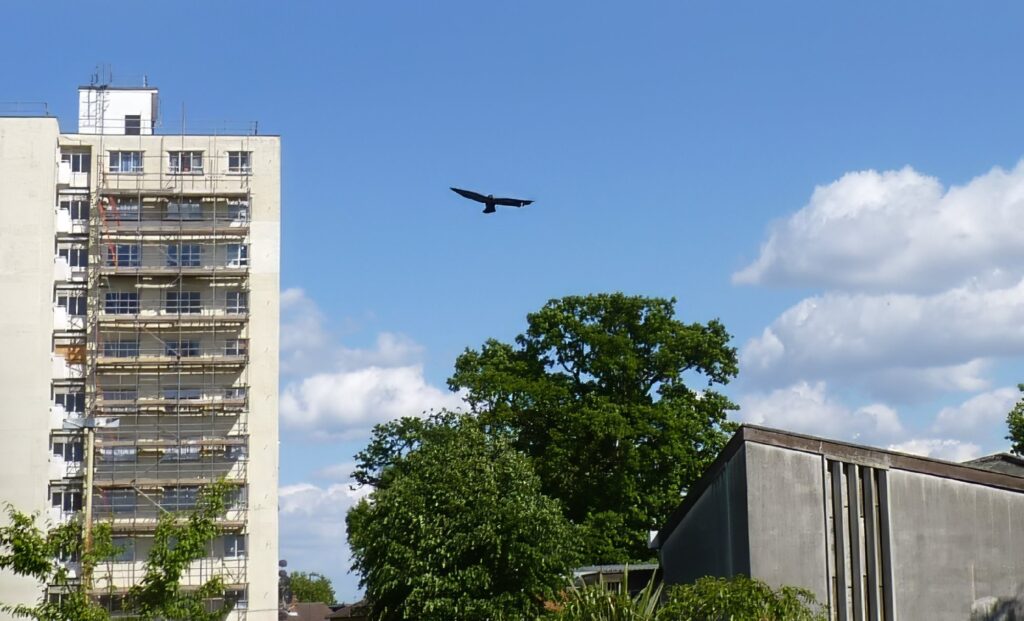
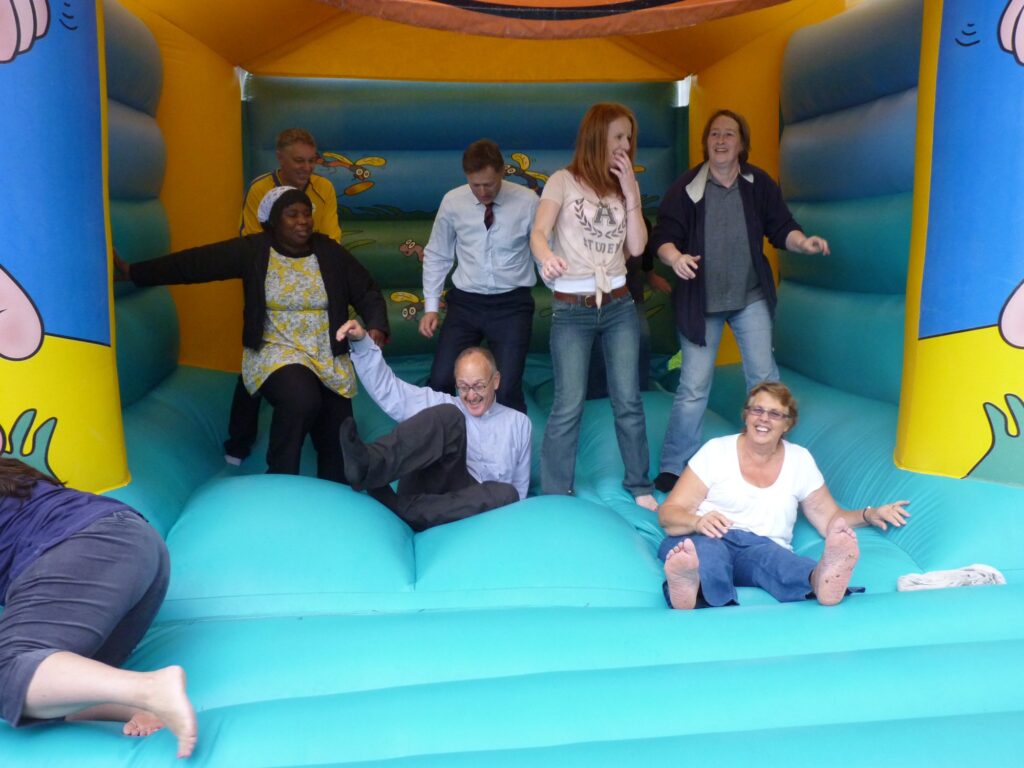

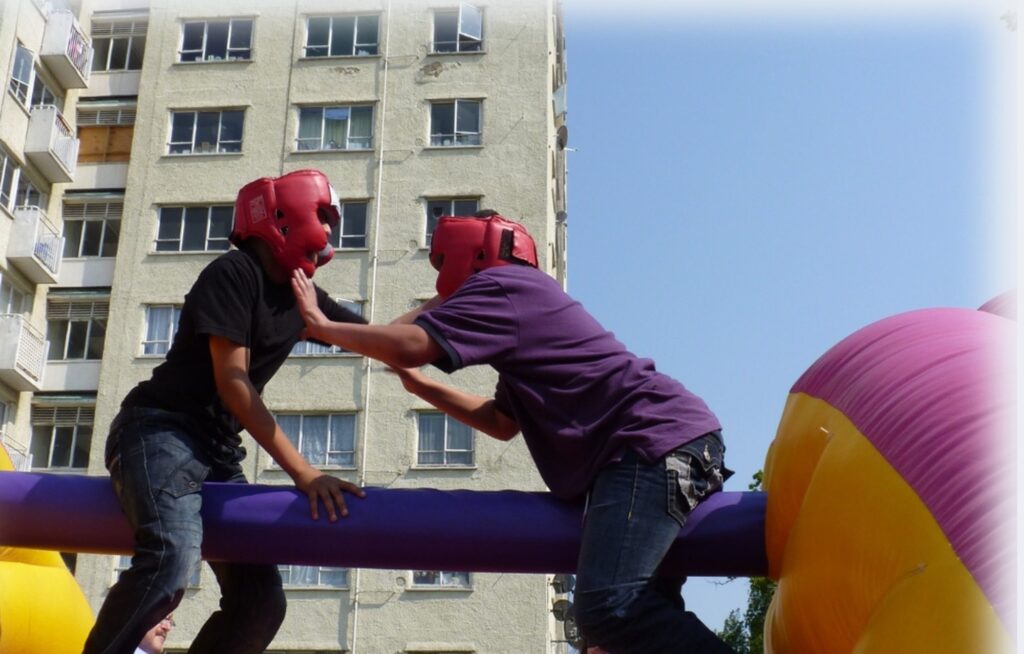

Council regeneration brought community disorientation and later reorientation, with new buildings and new residents
Chapter 2: Building
A new heart for a new community
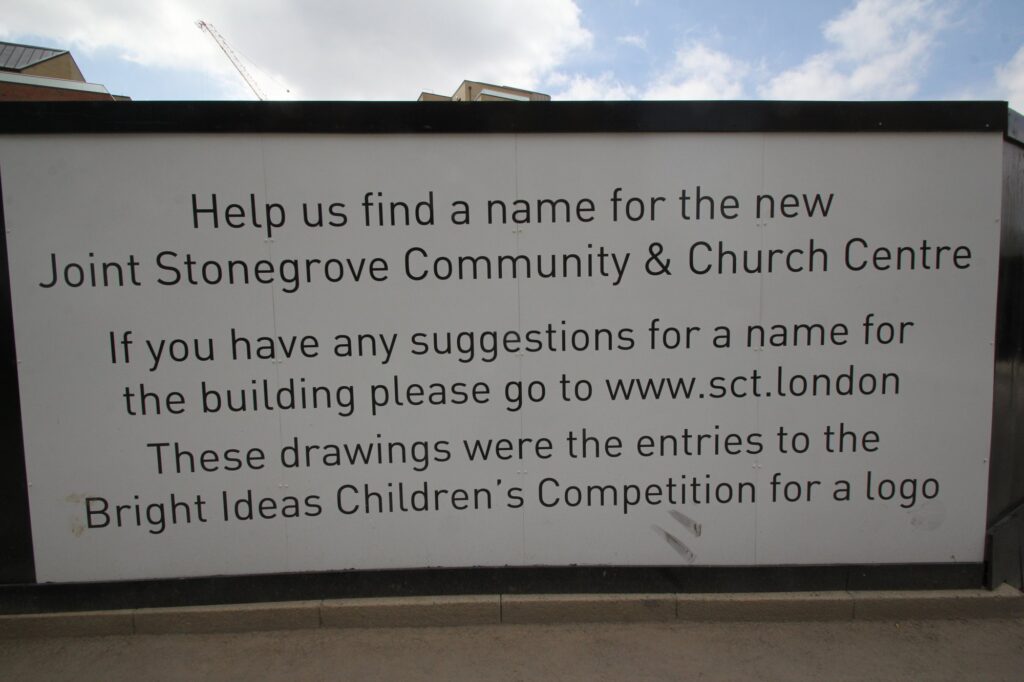
When the old church came down in 2016, something new had to come up. Following a bold church-led initiative, St Peter’s and the new Stonegrove Community Trust came up with an innovative design and a plan for running it together. This made it possible to bring different funding streams together into one sustainable building, not the two separate buildings first planned. After consultation and competitions, we gave our building a new name: OneStonegrove, a sign of unity across our new community.
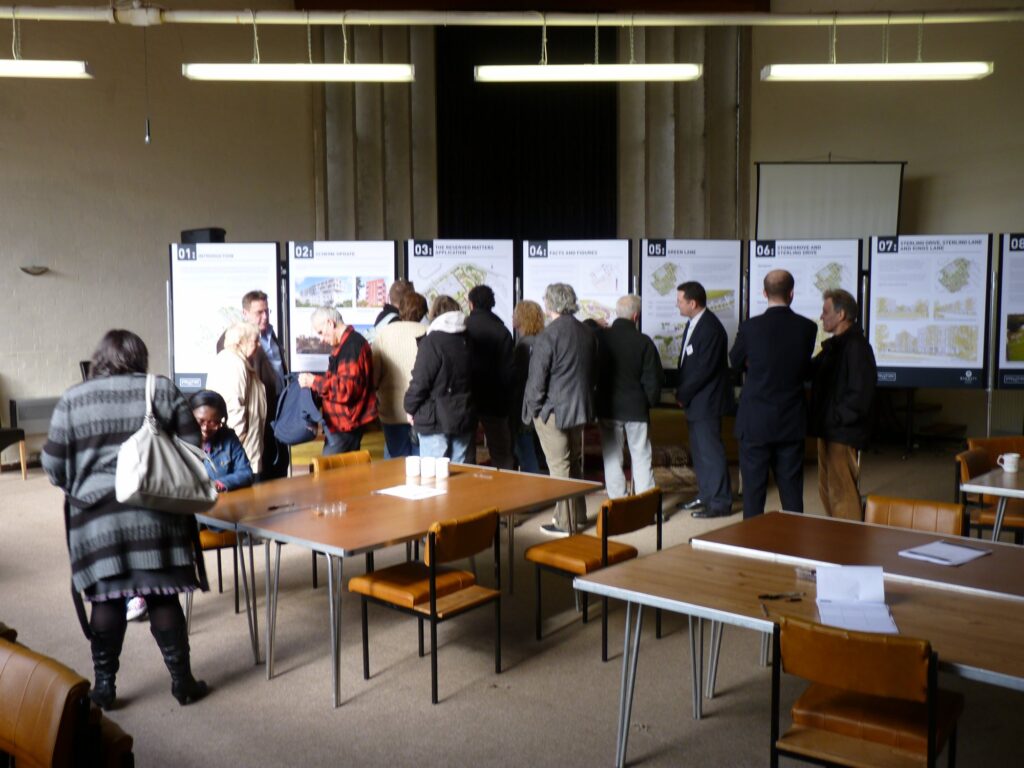
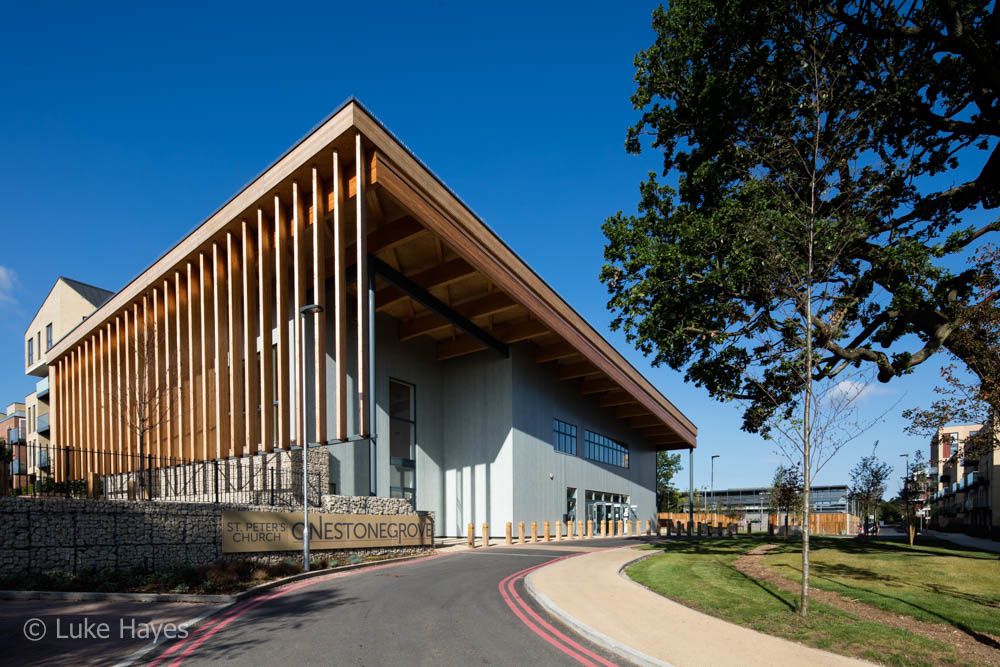
The architects took the overall look of the 1962 church and made it bigger and better, brighter and more open, with spaces for a nursery, a café, activities and Christian worship. That means more space for more activities for more people, and more of the common good.
Building work ran from January 2015 to July 2016. The architects, Sprunt, designed 989 square metres of space, and the building cost £4.2 million.
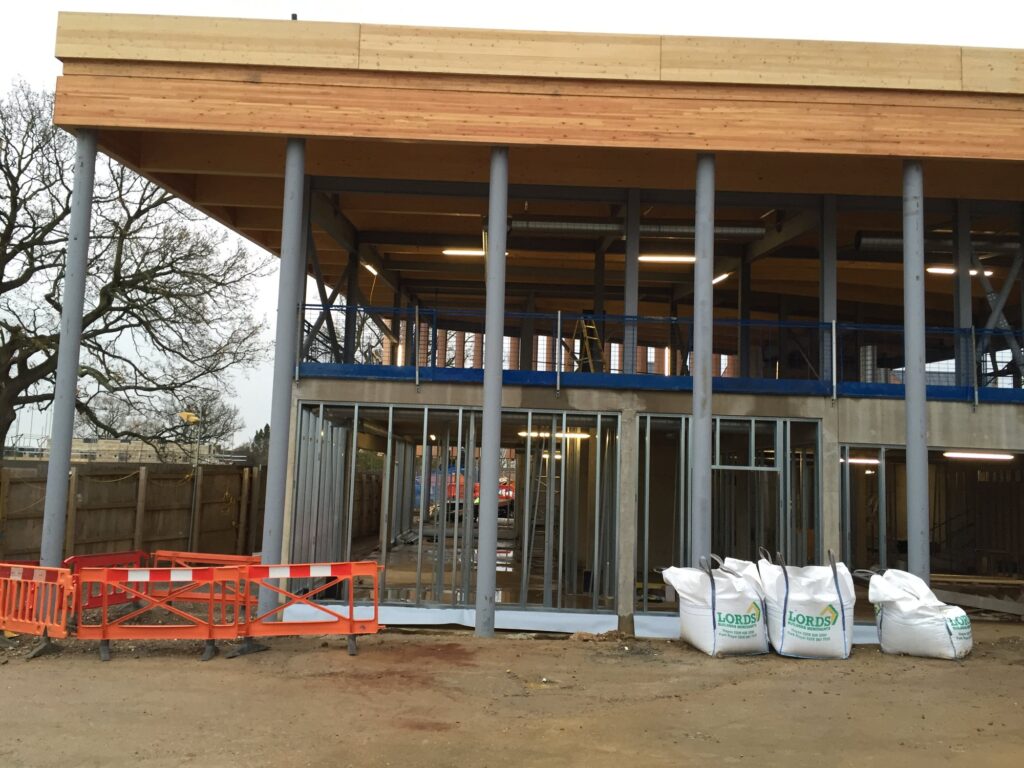
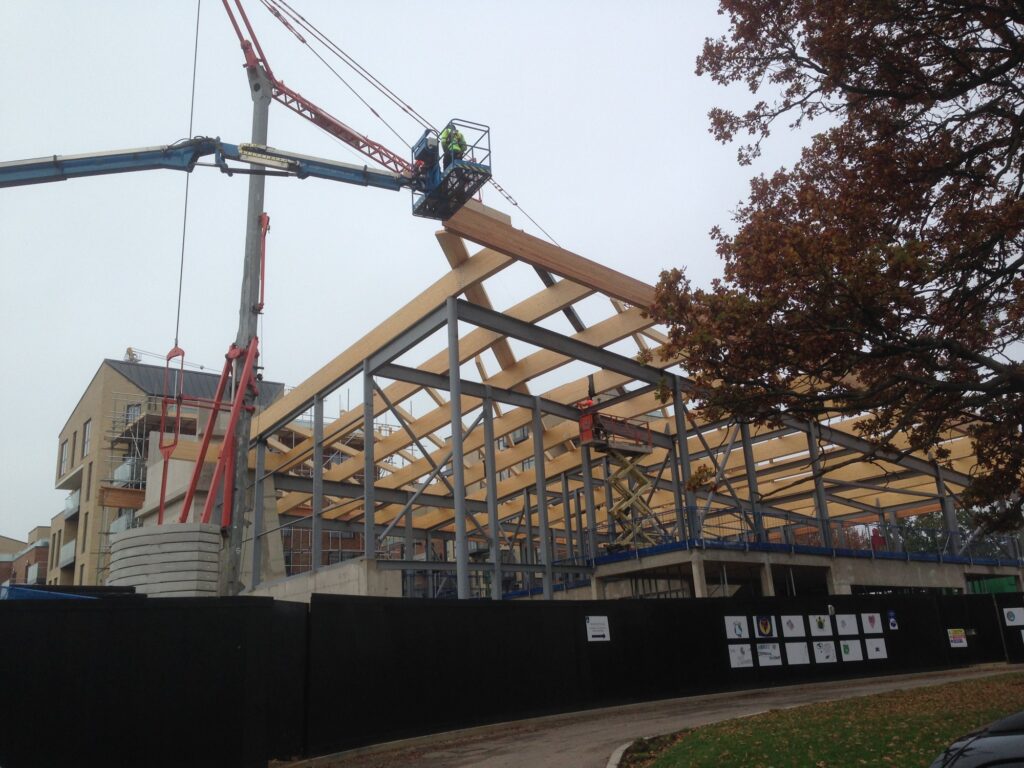
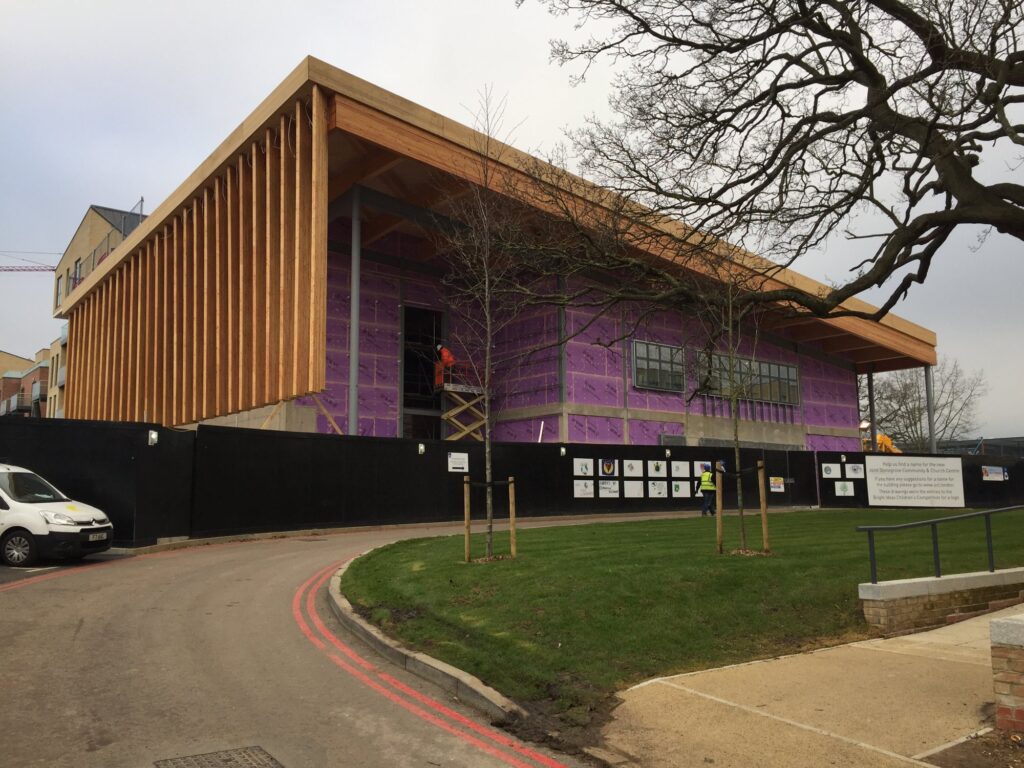
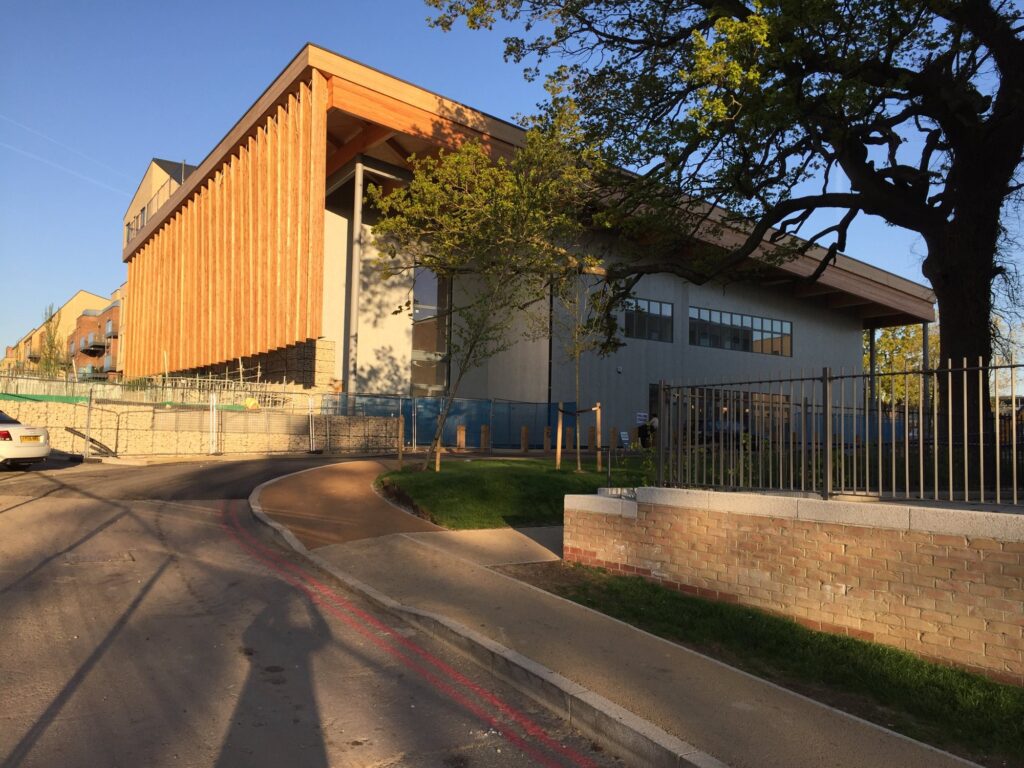
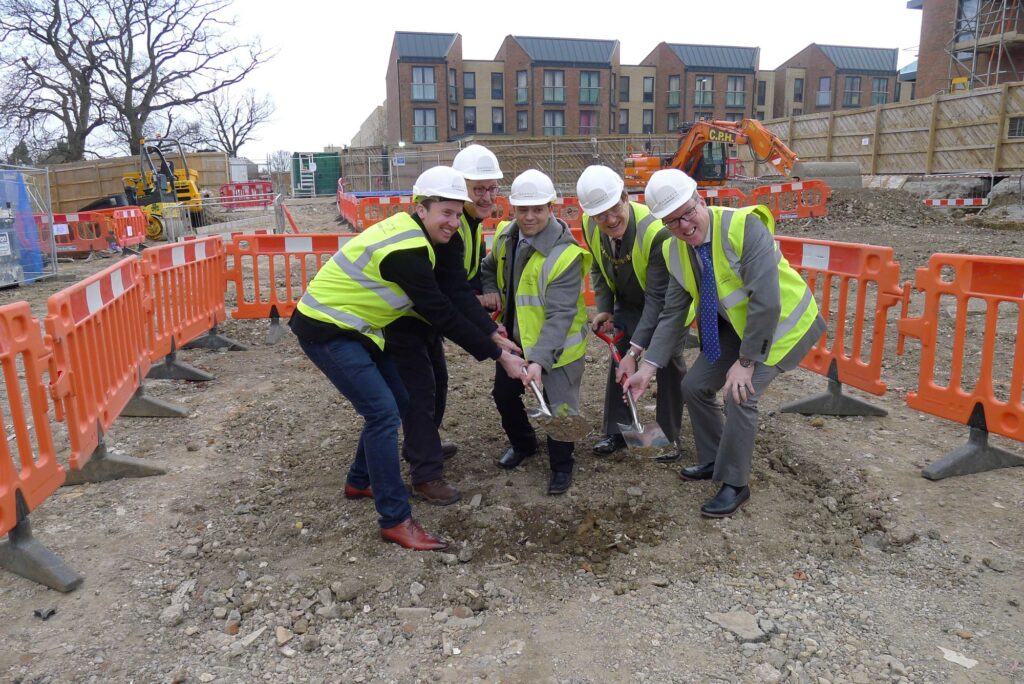
Together we broke the ground for construction and blessed the bell from the old St Peter’s Church. The bell now hangs above the chapel, over the place where Kiyan Prince died, making it a sacred space. In this way it helps to reframe the Stonegrove story: looking back positively on the past, and pointing to a hopeful future for the church, Stonegrove Community Trust and the wider community together.
We’re proud to work with the Kiyan Prince Foundation, which celebrates his life. In 2026 it marked 20 years since he died, and a film made from that celebration is coming to OneStonegrove.
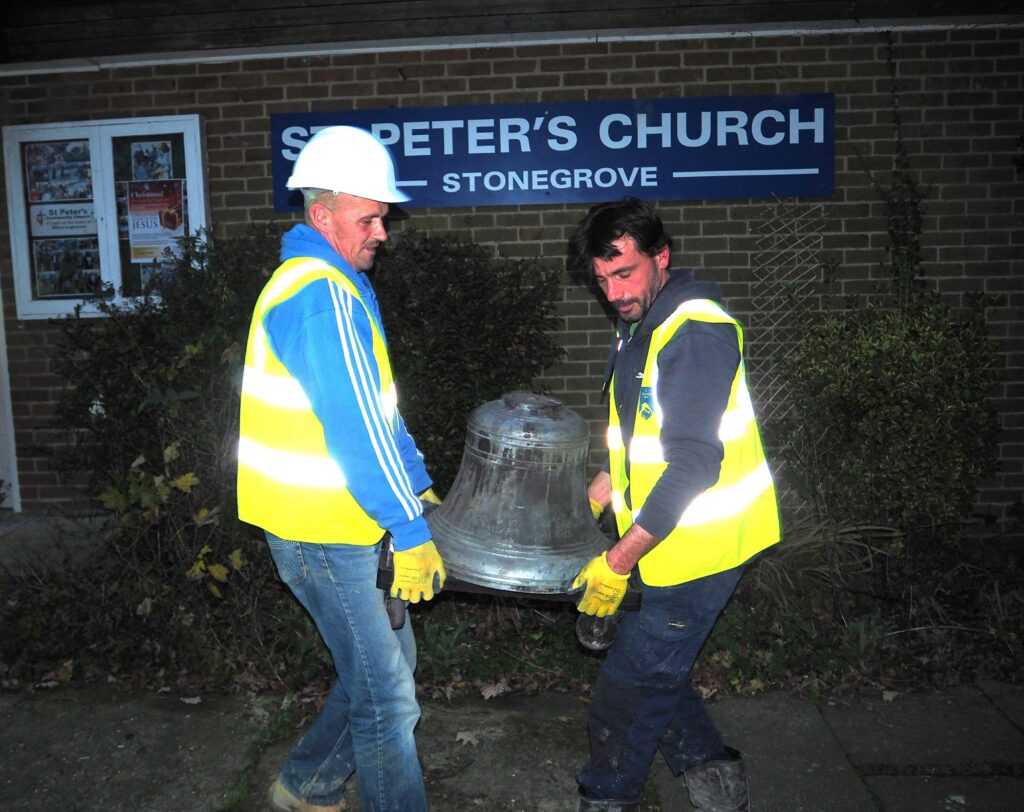
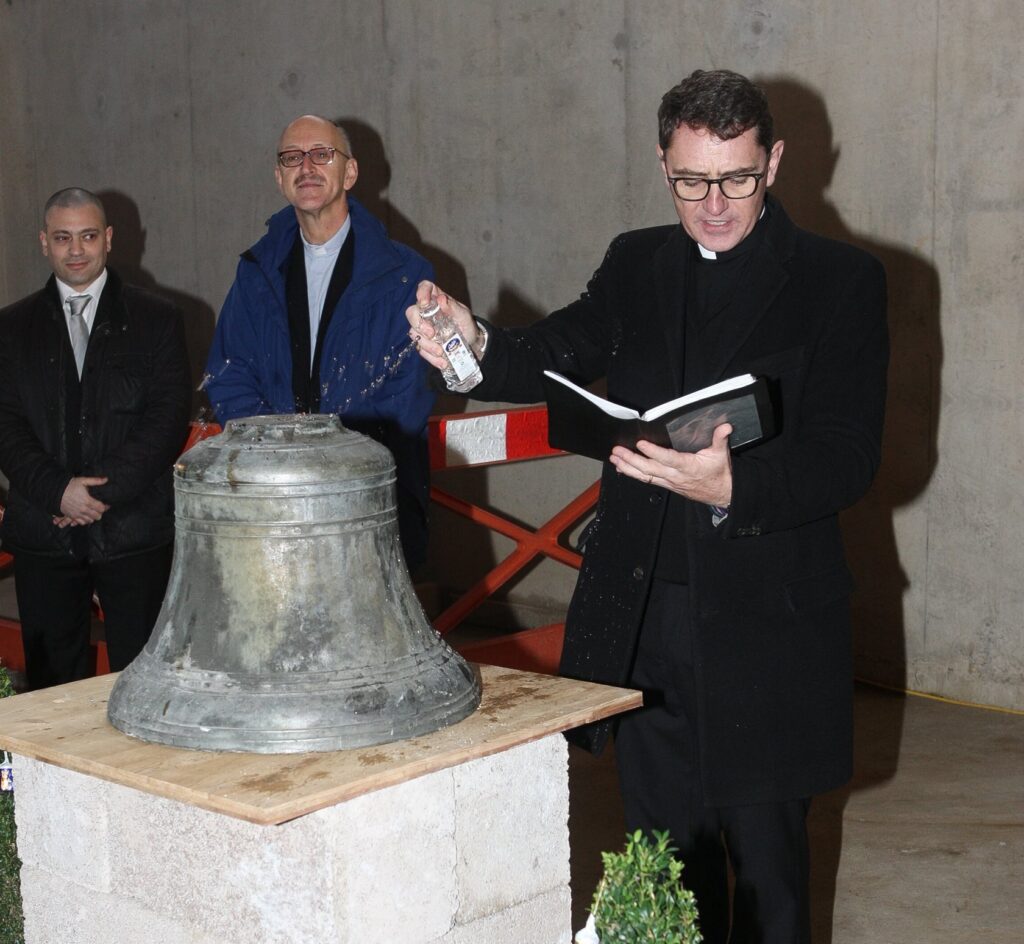
When the old church came down in 2016, something new had to come up
Open at last
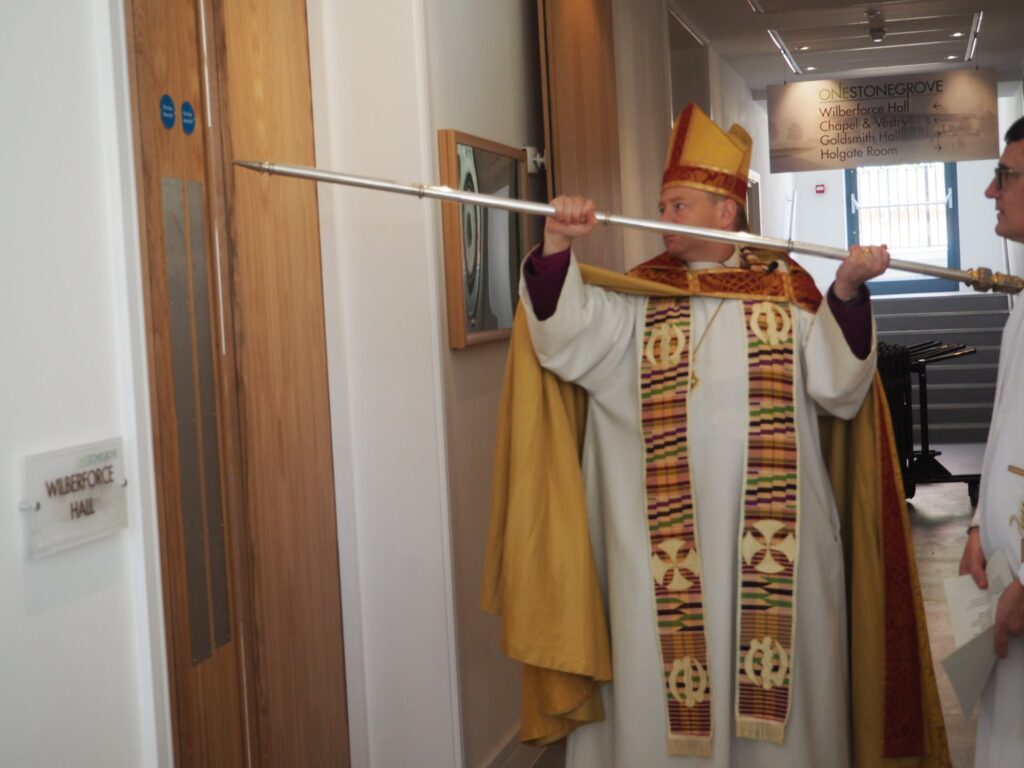
OneStonegrove opened in summer 2016 with a party for the whole estate. A grand opening followed, with the Leader of Barnet Council and a bishop.
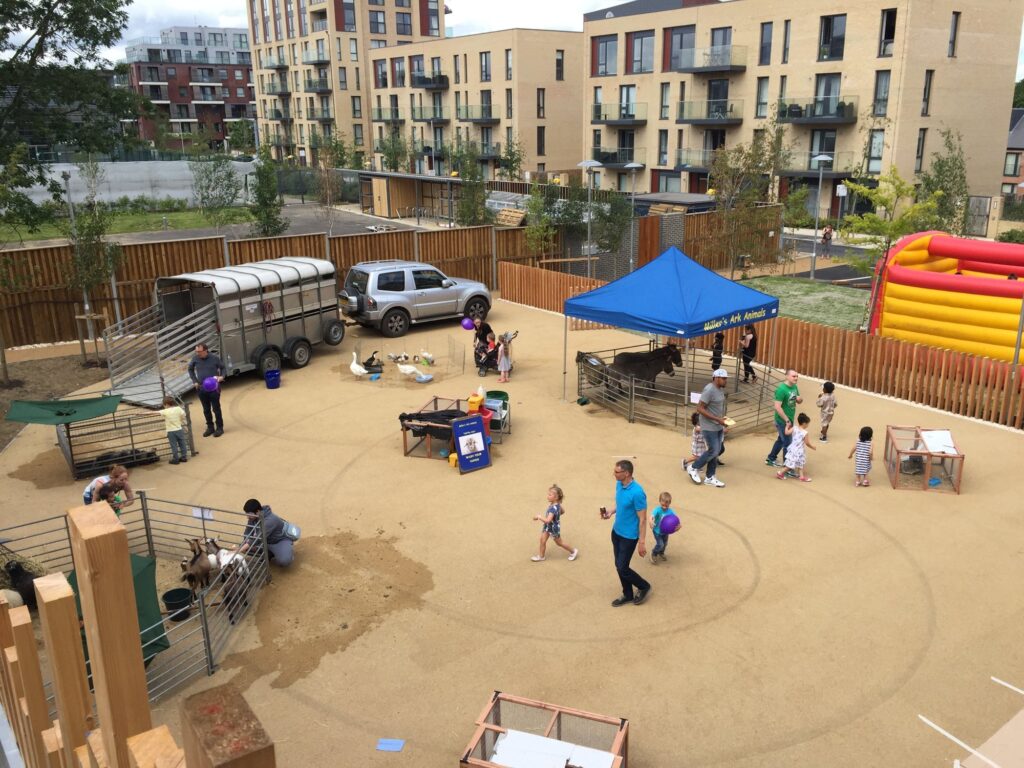
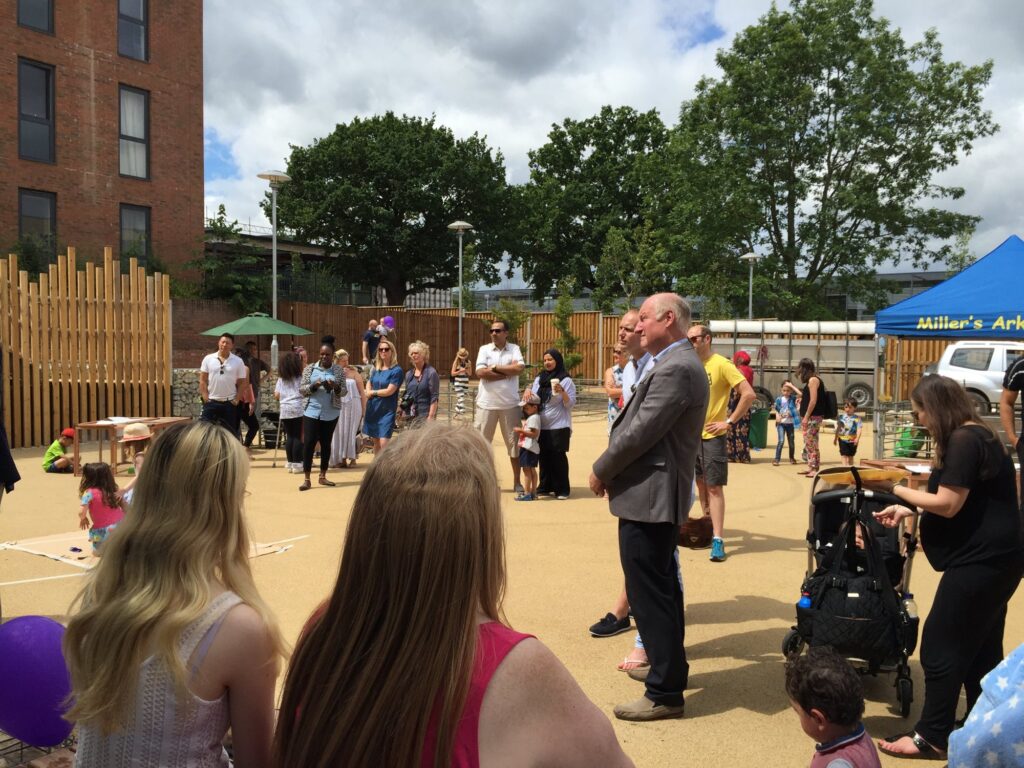
Chapter 3: Belonging
The community the building made space for
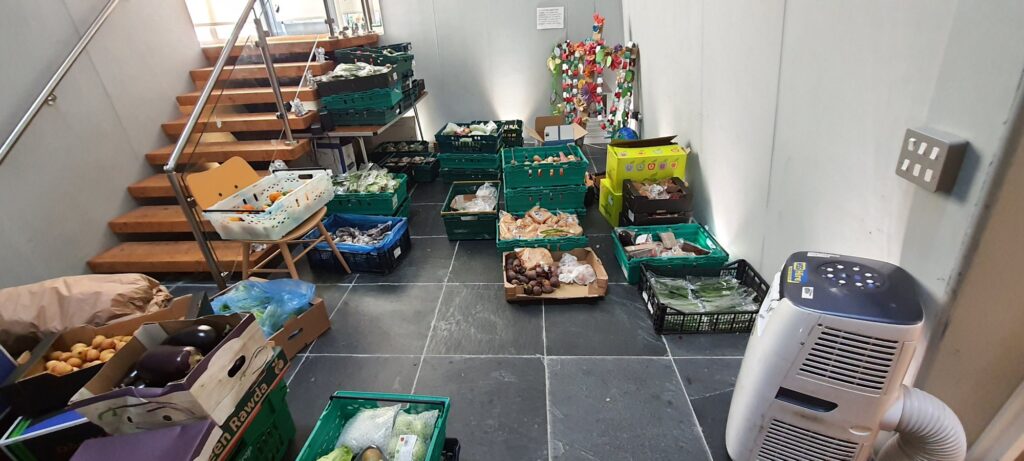
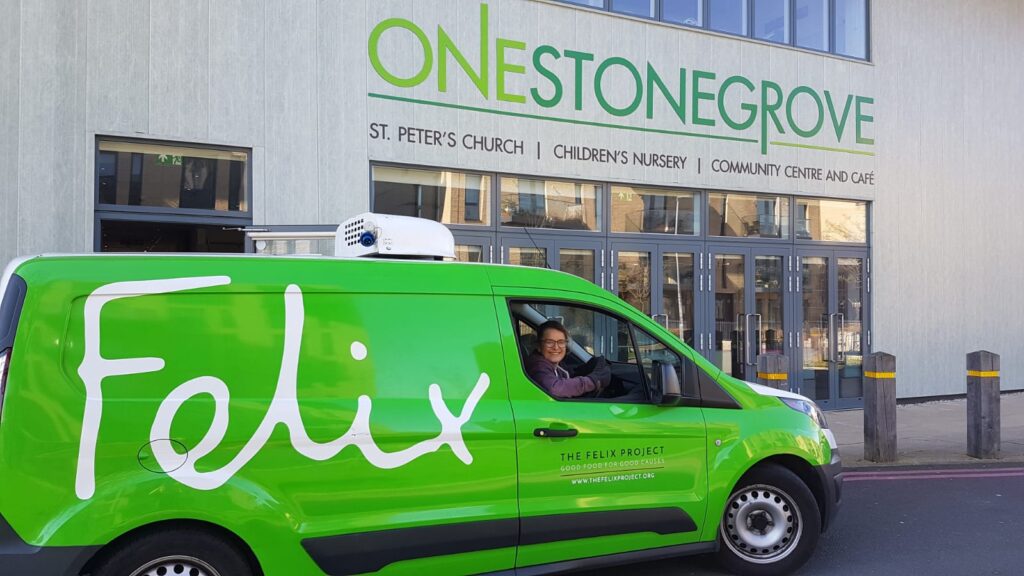
When the pandemic hit, the building itself went to work. The chapel, with its thick insulating walls, became a fruit-and-veg store, and the café kitchen ran flat out. With more than 100 partners we shared 250,000 meals’ worth of food, plus other essentials. For a time we were the largest project of our kind in Barnet. More than food, we were a point of human contact, showing love and care to those most in need. Read the full story of our Covid-19 response.
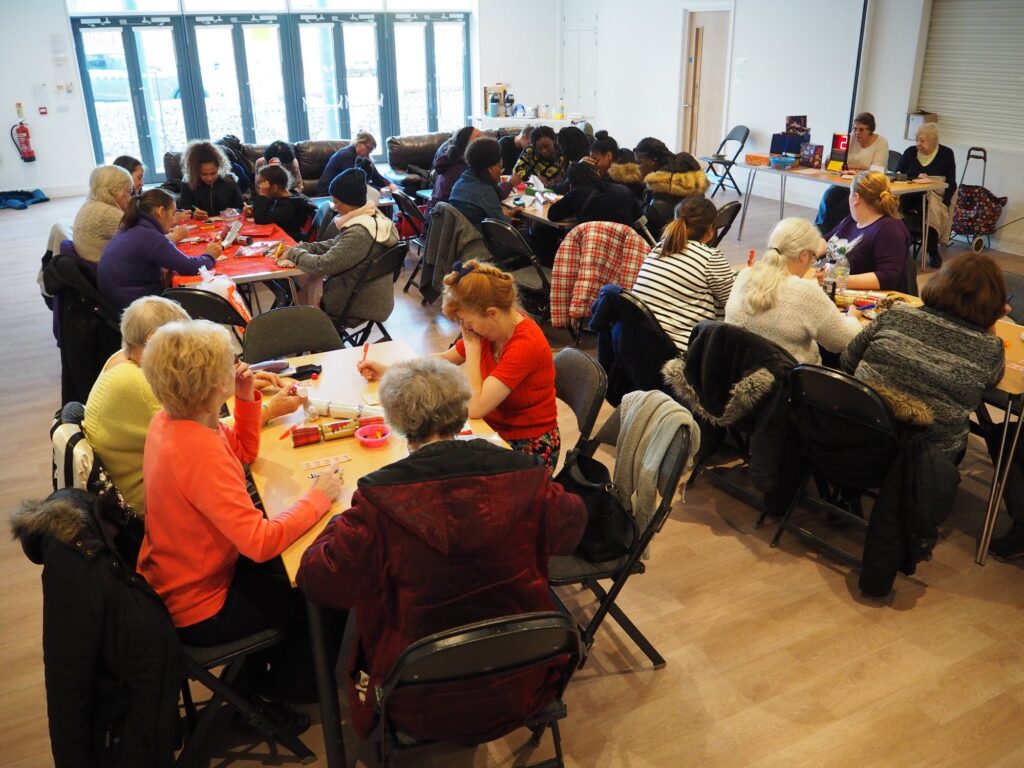
But belonging isn’t only forged in a crisis. We’ve run youth work almost every week for ten years. In 2026 we started the Free After School Club with St Peter’s, thanks to our largest grant yet, from John Lyon’s Charity. Our activities and services reach all ages, backgrounds and interests, with a keen focus on wellbeing. A new community garden and orchards are greening the estate. Our shared spaces are open to everyone, free, to work, play, study, or just to be.
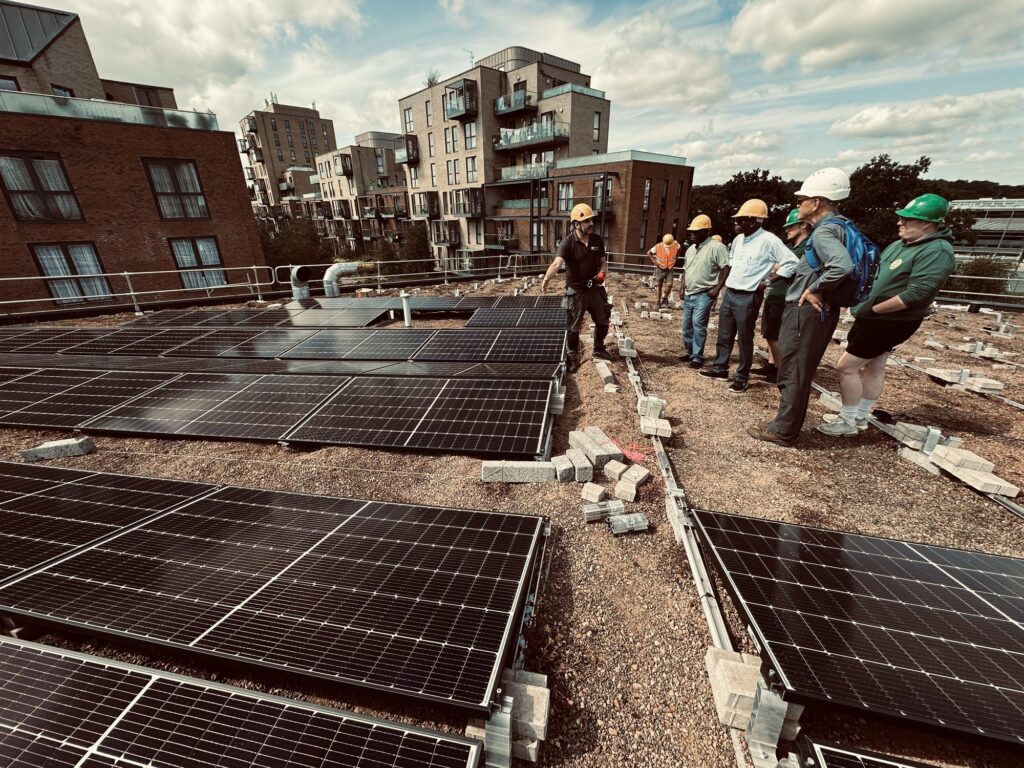
We believe in partnership first, always, and the building makes the rest possible: one flexible, welcoming, shared space at the heart of the estate, run on London’s largest charity-owned solar array. A solar-powered community, built and led by the people it belongs to.
250,000 meals’ worth of food, made with love and shared with our community during the pandemic
Timeline
Key moments for Stonegrove and OneStonegrove
- 1958The Queen Mother officially opens the Stonegrove estate.
- 1962St Peter’s moves into its new church building on the estate.
- 1998Consultations start on regenerating the estate.
- 2010People move into the first new homes.
- October 2014Local residents set up Stonegrove Community Trust.
- January 2015Building work on OneStonegrove begins.
- Summer 2016OneStonegrove opens with a party, then a grand opening with the Leader of Barnet Council and a bishop.
- 2017Our first birthday party.
- 2018234 people share their views in a door-to-door consultation on the estate.
- 2019Gus joins as our CEO, and Bread n Butter starts running the café.
- March 2020Within 24 hours of an emergency meeting on 17 March, we’re cooking meals for people who need them. Our pandemic response begins.
- 2021With Clitterhouse Farm, we launch the Barnet Social Action Hub to train local people in community organising.
- 2022Free Play sessions begin and we open a recycling station. In May, our CEO is invited by the Lord-Lieutenant of London to a Royal Garden Party at Buckingham Palace.
- 2023We take part in the London Festival of Architecture with Build Up Stonegrove, made with young people.
- January 2024We plant the Stonegrove Community Orchard with The Orchard Project: eight fruit trees.
- 2024Gus wins Local Leaders at the London ECO Community Champion Awards, and Charity Times names him a Leader to Watch.
- October 2024We switch on 210 solar panels, London’s largest charity-owned solar installation. They were funded by City Bridge Foundation, Barnet Council and the Greater London Authority’s London Community Energy Fund.
- Summer 2026OneStonegrove turns 10. We celebrate with a service, a big summer party, a heritage mosaic and Under One Roof, our exhibition for the London Festival of Architecture.
- September 2026The Free After School Club starts, with St Peter’s, funded by John Lyon’s Charity.
Chapter 4: Future
OneStonegrove forever
So what comes next? OneStonegrove was built for the long run. Here for your lifetime, and your children’s. A place of the community, by the community, for the community.
That’s what a resilient hub really is. When the heat climbs and new-build flats turn into ovens, our doors are open. When crisis strikes one family, or all of us at once as it did in the pandemic, we will still be here: for warmth, food, company, or just somewhere steady when everything else feels uncertain.
To keep that promise, we have to last. We have to be solvent and sustainable, light on the planet and responsible to the wider world.
OneStonegrove is a rare thing: a high-quality, community-owned building at the heart of an estate. We’re proud of it, and we hope you are too, because it belongs to you and to everyone who comes after.
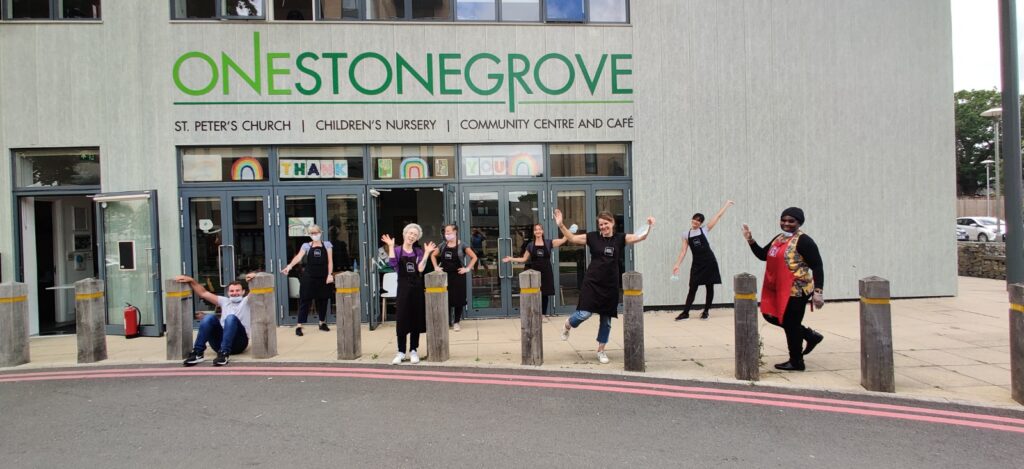
We can’t fix everything, but we promise we’ll always try our best
This page is based on Under One Roof: The Story of OneStonegrove, by Stonegrove Community Trust and St Peter’s Church for the London Festival of Architecture 2026.